
Photo: Gabriela Wodiczko-Mosur
Weronika Paine is a harpsichordist and organist living in Basel.
A graduate of the renowned Schola Cantorum Basiliensis, Weronika performs solo repertoire and chamber music.
Her new ensemble Melograno is the winner of the first prize at the competition in Rheinsbgerg and the new Rheinsberger Hofkapelle 2026/27.
A versatile musician holding three degrees in early music performance, Weronika frequently performs as a soloist and chamber musician on the harpsichord and organ. Fascinated by the harpsichord since early childhood, she grew up in a family fostering artistic talents and interests. At 18, she was accepted to study this instrument at the Schola Cantorum Basiliensis in Switzerland, where she moved to pursue education with Andrea Marcon.

For a curated selection of videos and live recordings,
check out my YouTube channel
Feel like reading?
Read further in the bio section
Curious to find out more?
Subscribe to my newsletter and stay in touch!
News
Bach26 Swiss Tour with Melograno
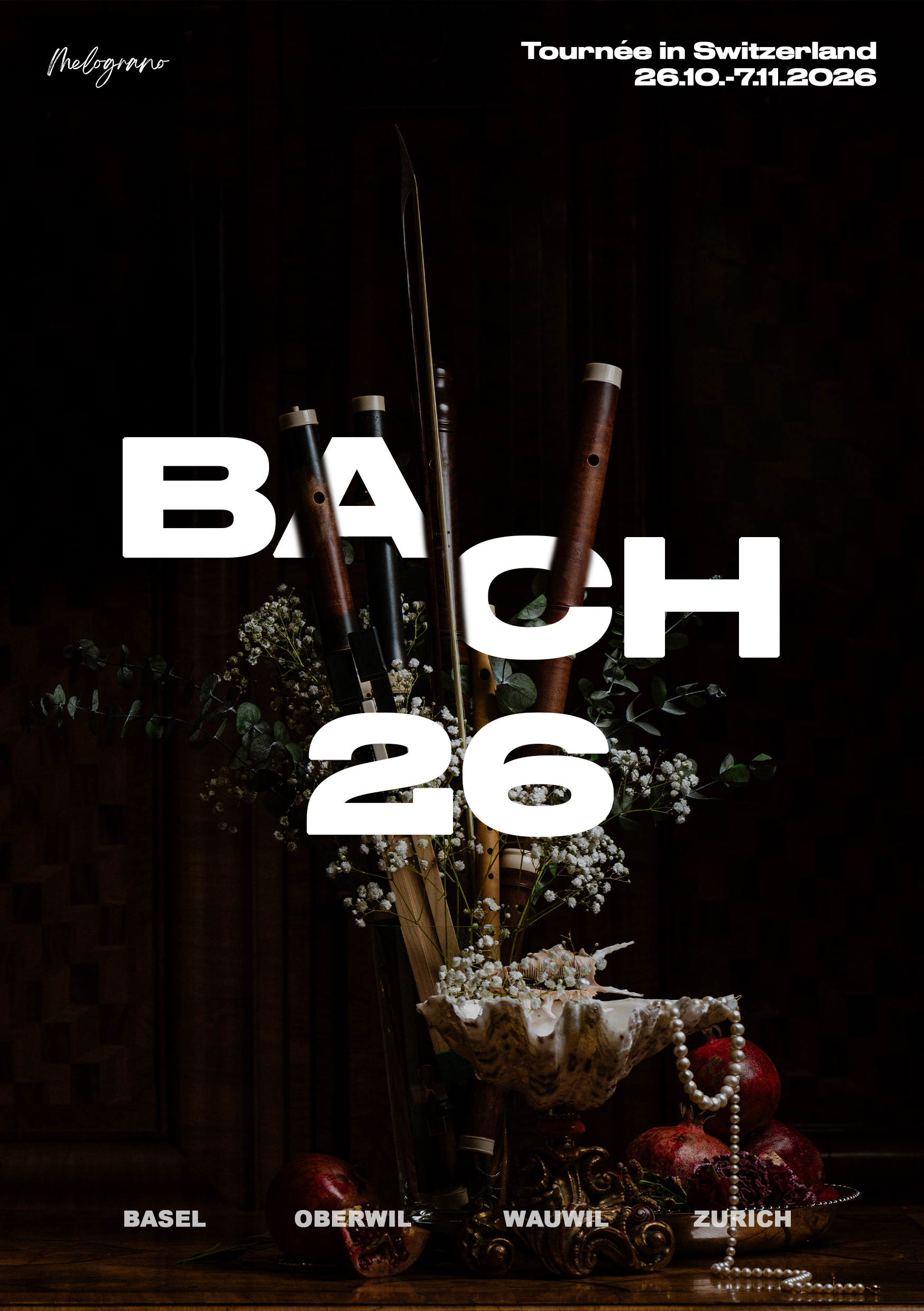
Poster design © Pablo Gigosos
Original photograph © Martin Chiang
Together with Melograno we can’t wait to present our new program in the upcoming series of concerts across several cities of Switzerland. It is our first monographic program and we chose to combine J. S. Bach’s chamber music sonatas with arrangements of his organ works for our ensemble.
Concert dates:
Friday, 30.10.2026 - 19:30, Basel Living Wunderkammer
tickets available soon
Saturday, 31.10.2026 - 19:30, Oberwil röm.-kath. Kirche
free entry
Monday, 2.11.2026 - 19:30, Wauwil Pfarrkirche
free entry
Wednesday, 4.11.2026 - 19:30, Basel Living Wunderkammer
tickets available soon
Friday, 6.11.2026 - 19:00, Zurich Anglican Church
free entry
We’d love to see you there!
Curious to read more about our poster portrait? Head to this blog post for further reading.

“Just as man cannot live without dreams, he cannot live without hope. If dreams reflect the past, hope summons the future.”
— Elie Wiesel
